You don’t need a huge following to make money as a photographer in 2026, you need a smart mix of income streams. The photographers earning consistently usually combine client work, licensing, and simple digital products. This guide breaks down 13 proven options, so you can pick what fits your gear, schedule, and skills.
You’ll see where each method works best (online, local, or both), what you’ll need to start, and what can trip you up. Expect practical examples like stock licensing, brand content, events, and print sales.
If you want income you can count on, the goal isn’t one perfect gig, it’s a system. By the end, you’ll have a short list of next steps you can act on this week.
Photographer Income in 2026
Photography income in 2026 is wide, because the job title covers everything from staff photographers to solo freelancers and niche specialists. A salary database like Glassdoor photographer pay trends shows how broad the “average” can look, and why you’re better off benchmarking yourself against a niche, not the whole industry. You’ll see beginners earn modest money early on, while specialists in weddings, corporate work, product, and licensing pull ahead fast.
Active vs passive photo income
Active income is when you get paid for your time: sessions, events, retainer shoots, on-site headshots, product days, real estate listings. It’s predictable once you have leads, but your calendar caps your earnings.
Passive income is when you get paid for usage: stock downloads, image licensing, print sales, preset packs, affiliate revenue from content. It scales better, but it usually takes longer to build and it rewards consistency more than talent alone.
What “legit” income looks like
Legit doesn’t always mean “full-time salary.” In your first phase, legit often means repeatable: a couple paid sessions per month, a small commercial client, or one niche that reliably converts. By the time you’ve shot enough to build proof and process, the goal shifts from “getting booked” to “getting booked at rates that leave profit after editing time, travel, and taxes.”
If you want an income benchmark tied to employment markets, a salary guide like Robert Half photographer salary ranges can help you sanity-check what companies pay for similar work. For freelance work, your gross can be higher, but your take-home depends on costs and consistency.
Pick your goal and time budget
You’ll move faster when you match the method to your hours. If you’ve got weekends, events and portraits fit. If you’ve got weekday mornings, real estate and brand product work fit. If you’ve got late nights, editing services, stock uploads, and digital products fit.
Your time budget also decides your offer format. Limited hours usually means packaged shoots (fixed scope, fixed delivery). More hours can support custom projects, multi-location days, and licensing negotiation.
Choose a Niche That Pays
If you’re trying to make money as a photographer, “I shoot everything” is the slowest pitch. Buyers don’t want everything, they want outcomes: a booked calendar, sold homes, higher conversion on product pages, consistent social content, or a clean professional headshot.
High-demand niches
In 2026, consistent demand tends to cluster around needs that directly affect revenue:
- Events and conferences because companies need documentation and marketing assets.
- Brands and e-commerce because product pages and ads need fresh creative.
- Real estate because listings compete on visuals, speed, and add-ons (video, drone, floor plans).
- Corporate headshots because hiring, rebrands, and team updates never stop.
- Food and hospitality because restaurants sell online first, then in person.
If you want a quick overview of categories that keep showing up across the industry, resources like high-paying photography niches lists can help you see where buyers already spend.
Validate demand in 30 minutes
You can validate demand without guesswork by checking three places in one sitting:
- Local Google search for “photographer + niche + city” and count how many businesses run ads or have strong review profiles.
- Marketplace listings (Airbnb hosts, real estate teams, local brands on Instagram Shops) to see who’s actively selling.
- Job boards and gig boards to see what deliverables are requested repeatedly (headshots, product retouching, listing photos, event coverage).
Validation isn’t about perfection, it’s about spotting consistent buyers who need work every month.
Build a simple niche offer
A simple niche offer has three parts: who it’s for, what you deliver, and how fast. The fastest offers to sell are narrow and measurable, like “15 edited headshots per employee delivered in 72 hours,” or “25 listing photos plus 10 detail shots delivered next day.”
Once the offer is clear, your portfolio becomes easier to build because you’re only collecting proof for that one promise.
Set Up Like a Real Business

Clients pay faster and complain less when you run the job like a system. That system is also what protects your profit, because photography income disappears when editing and revisions spiral.
Portfolio that gets booked
A booking portfolio isn’t your best art, it’s your best proof. Show work that matches the buyer and the outcome they want. A real estate agent wants bright interiors, consistent verticals, and clean windows, not your favorite moody street set.
As a baseline, aim to show enough samples to reduce risk in the buyer’s mind: multiple shoots, multiple scenarios, and consistent delivery. You’re trying to look repeatable, not lucky.
Contracts, deposits, and rules
A contract isn’t about being harsh, it’s about removing confusion. You want the scope, date, deliverables, turnaround time, and usage rights written down. Deposits protect your calendar, and usage rules protect your work from being treated like unlimited content forever.
If you do commercial work, clarify whether the client is buying files, buying usage, or buying both. That one detail changes what “fair pricing” means.
Workflow that protects profit
A profitable workflow has standards: culling rules, a consistent editing style, a delivery method, and a revision policy. You don’t want each job to be a custom process. Set a turnaround that you can hit even when life happens, because late delivery costs you referrals.
If you’re aiming to build online income alongside client work, content systems matter too. A guide like YouTube earnings strategies for creators can help you think about how tutorials, behind-the-scenes, and gear workflows turn into long-term traffic and revenue.
13 Best Ways to Make Money as a Photographer
1. Portrait sessions
Portrait sessions are one of the cleanest ways to make money as a photographer because the buyer is clear and the outcome is personal. You’re selling confidence and a moment in time, not just files. Mini-sessions work well when you want volume, while full sessions work when you want higher spend and more creative control.
To keep portrait work profitable, your package structure matters. A simple ladder usually converts best: one entry option, one most popular option, one premium option with extras like outfit changes, extra locations, or faster delivery. Your best clients often come from one great session that turns into repeat needs, like new headshots, family updates, and seasonal cards.
2. Weddings and events
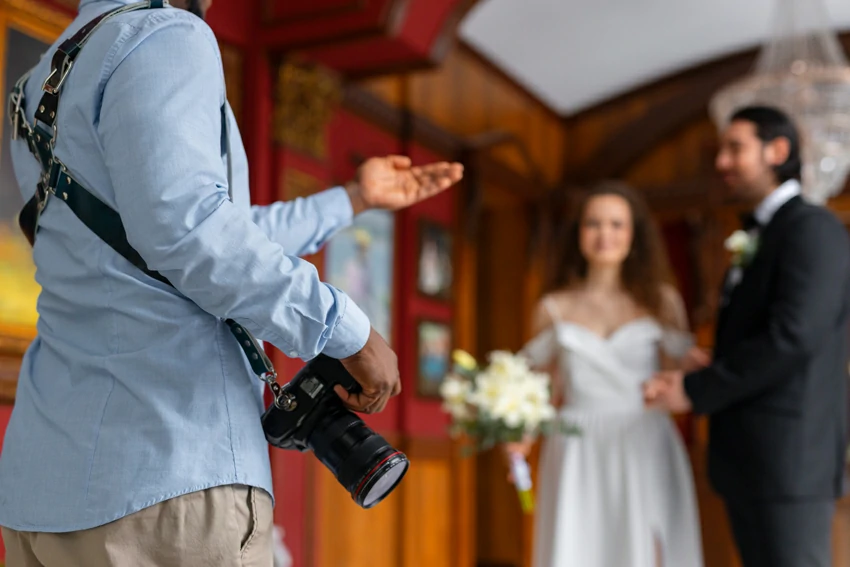
Weddings and events pay well because the stakes are high and the day can’t be repeated. Your product is coverage, calm energy, and reliable delivery. In 2026, couples and event planners also expect tighter turnaround on highlights, so your workflow and backup plan can be a competitive edge.
Second-shooting is still the fastest way to build a wedding portfolio without carrying the full risk on day one. Over time, pricing tiers help you serve more budgets while protecting your weekends. A smart tier difference is usually hours of coverage, second shooter, albums, and speed, not vague “more photos.”
3. Family and newborn shoots
Family and newborn work wins on repeatability. Families come back, and their referrals tend to be high trust because the buyer is inviting you into personal space. The business model works when you build a safe, consistent process: scheduling windows, prep guides, and predictable lighting setups.
Newborn safety is a serious part of the offer, and clients can tell when you’re prepared. Your value is patience and a controlled environment, plus reliable delivery that gives them images they’ll actually print and share.
4. Real estate photography
Real estate photography is one of the most system-friendly ways to make money as a photographer. Agents need fast delivery, consistent quality, and pricing that fits listing economics. You’re often selling speed and consistency as much as you’re selling creativity.
The repeat client potential is strong because one agent can feed you many listings. Add-ons can also increase your average invoice without adding a full extra shoot day: twilight edits, detail sets, short walkthrough video, drone, and neighborhood amenity photos. If you want the broader business context for selling visuals online, Shopify’s photo selling guide is useful for seeing how buyers behave across digital storefronts and product pages.
5. Product photography for brands

Product photography pays when you understand how brands sell. They don’t just want a “nice photo,” they want a set that fits their storefront, ads, and social posts. That often means consistency: angles, shadows, scale cues, and color accuracy.
Many photographers price product work per SKU (stock keeping unit) or per set, then upsell lifestyle scenes, 360 spins, or short clips. Bundles reduce admin time and make it easier for a brand to say yes, especially if you include light retouching and delivery specs for Amazon, Shopify, and Meta ads.
6. Food photography
Food photography works best when you treat it like marketing, not art. Restaurants and food brands need menus, delivery apps, Google listings, and social content that matches their actual plating. If you can deliver a consistent look, you can sell monthly content days or seasonal refresh packages.
This niche also pairs well with short-form video, because simple motion (pouring, slicing, steam, plating) performs well on Reels and TikTok. When you shoot food, you’re often selling speed and direction as much as you’re selling the image.
7. Corporate headshots
Corporate headshots are high trust and logistics heavy, which is good for you because systems beat talent here. Companies want clean, consistent results across a whole team, with minimal disruption to workdays. If you can set up a portable studio, keep lighting consistent, and move people through fast, you’re solving a real operational problem.
Pricing is often per person with a minimum, or half-day and full-day rates. The fastest growth path is partnerships with HR teams, coworking spaces, and local agencies. If you want to build credibility in professional networks, it helps to understand how business audiences convert, and LinkedIn monetization strategies can give you ideas for positioning and outreach language that feels natural on that platform.
8. Sell prints and wall art

Print sales are where your best images can keep paying. This works best when you curate, because buyers don’t want 500 choices, they want a small collection that fits a style and a room. Limited editions, signed prints, and themed series can also increase perceived value.
The operational side matters: print fulfillment, packaging, shipping damage, and customer service. Many photographers keep it simple by offering a few sizes, one paper type, and a consistent framing partner. Over time, prints become easier to sell when your work becomes recognizable, not random.
9. Stock photography sales
Stock can be a long game, but it’s still a real channel when you approach it with volume and intent. Buyers want clear concepts: business teamwork, health and wellness, lifestyle routines, seasonal holidays, diverse communities, and clean backgrounds for copy space.
If you’re serious about stock, you treat it like publishing. You plan shoots around concepts, batch edit, and upload with strong keywords. A practical starting point is to follow guidance like VSCO’s stock photo tips to stay focused on what actually sells and how platforms evaluate your work.
10. License images directly
Direct licensing is where you charge for usage, not just delivery. That means your price changes based on how the client uses the image: website header, paid ads, packaging, billboards, or internal documents. It can also change based on geography, duration, and exclusivity.
This method works well when your images have clear commercial value, such as travel scenes, lifestyle concepts, niche industry settings, or local landmarks. It also works when you consistently pitch the same sectors, because buyers start recognizing your style and reliability.
11. Teach workshops or coaching
Teaching turns your experience into a separate product. Workshops can be local (portrait lighting, phone photography, Lightroom basics) or niche (restaurant content day, listing photo workflow). Coaching can be 1:1 for faster results, or group-based for better margins.
The best part is that teaching builds authority, which often increases your client rates too. A paid workshop also creates proof fast, because students share results and tag you, giving you referral reach without needing a huge audience.
12. Sell presets and editing tools
Presets, LUTs, and editing templates sell when you solve a specific look problem. Your buyers usually want speed and consistency, not a mystery “cinematic vibe.” Products convert better when they’re tied to a use case, like indoor family sessions, flash wedding reception sets, or clean e-commerce product edits.
You can also bundle tools with education, such as a preset pack plus a short editing walkthrough. If you want to add merch or printed products tied to your photography brand, a related model is print-on-demand, and Printify profit tips can help you think through how digital creators package visual products without holding inventory.
13. Content + affiliate income
Content income can be slow at first, but it compounds. You earn through ad revenue, sponsorships, affiliate links, and leads for your services. Photography is a strong content niche because buyers search for gear comparisons, editing tutorials, lighting setups, and behind-the-scenes breakdowns.
Affiliate income works best when you recommend tools people already buy: cameras, lenses, tripods, lighting, bags, and software. You build trust by being specific, showing results, and staying consistent. If you want a simple framework for platform-based earnings, a guide on monetizing YouTube can help you map content types to revenue streams without relying on one source.
How to Get Clients Fast
Getting clients is less about posting more and more about targeting people who already buy photography. Your goal is to show proof, make the offer easy to understand, and remove friction in booking.
Where to find clients today
The fastest client sources are usually “already spending” groups:
- Local businesses that post regularly on Instagram and Google Business Profiles.
- Real estate agents and property managers with active listings.
- Event planners, venues, and caterers who need vendor partners.
- HR teams, recruiters, and coworking spaces for headshots.
- E-commerce sellers who run ads and refresh product pages.
Online marketplaces can help too, especially if you productize your service. If you decide to use gig platforms, a PeoplePerHour gig guide can help you see how photographers and editors package offers that buyers purchase without long calls.
Simple DM and email pitch
A pitch that works is short and outcome-based. You introduce who you are, name the specific result you deliver, show one link to proof, then suggest one clear next step (a short call, a sample set, or two date options). You keep it focused on their business, not your passion.
Good pitches also reduce risk. You include turnaround time, what’s included, and how you handle payment and booking. That makes you sound like a safe choice, which is what buyers pay for.
Turn one gig into repeats
Repeats happen when you make it easy to rebook. You save lighting setups, keep consistent editing, and deliver in a way that fits their workflow. After delivery, you send a simple follow-up with two options: a refresh schedule (monthly or seasonal) or an add-on that solves the next problem (social crops, short clips, extra angles).
Reviews and referrals also come from process, not luck. When you’re on time, organized, and clear about next steps, clients feel confident recommending you.
Pricing That Actually Works
Pricing is where many photographers stay busy but broke. If you want to make money as a photographer, you price for time, overhead, and usage, not just for “photos delivered.”
Session pricing and packages
Packages protect you because they define scope. Your base package should cover your true minimum: shoot time, editing time, delivery, admin, travel buffer, and a profit margin. Higher tiers should add value that clients understand fast, like more final images, extra time, faster turnaround, or printed products.
You also want rules that keep revision time sane. A simple approach is to include one small revision round for paid sessions, then charge for extra edits outside the agreed scope.
Licensing and usage pricing
Usage pricing is straightforward when you break it into factors: where it runs (web, print, ads), how long it runs, where it runs (local vs national), and whether it’s exclusive. You’re not charging more because you feel like it, you’re charging more because the image is doing more work for the buyer.
When you quote usage, clarity matters more than complexity. You list the usage granted in plain language and keep it tied to the client’s real plan.
Upsells that boost income
Upsells work when they’re relevant and easy: rush delivery, extra edits, short clips, albums, framed prints, additional locations, or a quarterly refresh plan. You’re not trying to squeeze clients, you’re helping them get a better result while increasing your average invoice.
The best upsells are the ones that don’t add a full new shoot day, but still add meaningful value.
Marketing That Brings Buyers
Marketing that converts is proof plus placement. You show what you do, and you put it where buyers already look.
Local SEO basics
Local SEO is a trust engine for photographers. A solid Google Business Profile, consistent business name and contact info, and real reviews do more than a viral post. Add niche-specific pages on your site, and show example galleries tied to that niche.
You also want your work to show up in local searches naturally. That means naming your galleries and posts with clear niche terms and locations, and keeping your contact and booking process friction-free.
Instagram and reels strategy
Short video works when it shows outcomes. Before and after edits, quick lighting setups, client reactions, and carousel posts with clear captions build trust faster than random highlights. Consistency wins because clients hire the photographer they keep seeing, not the one they saw once.
Your strongest content is usually work that answers a buyer’s worry: “Will this look professional?” “Will this sell my listing?” “Will this match our brand?” That kind of proof turns views into DMs.
Partner with vendors
Vendor partnerships beat algorithm changes. One venue, planner, realtor, salon, or marketing agency can feed you consistent work. You make partnerships easier by delivering fast, tagging partners, and sharing assets they can use in their own marketing.
Over time, a few strong partners can be more valuable than thousands of followers, because partners send buyers who already plan to spend.
Avoid Scams and Bad Deals
As you try to make money as a photographer, you’ll see offers that look exciting but cost you time, rights, or cash flow. You protect yourself by recognizing patterns.
Free work traps and exposure
Free work can make sense when it’s controlled and strategic, like a portfolio build with a clear outcome and usage terms. It stops making sense when the buyer is a business that profits from your work but won’t pay for it.
Exposure doesn’t pay bills. If someone wants commercial assets, you treat it like commercial work, with clear usage and a price that respects your time.
Late payments and chargebacks
Late payments aren’t a personality issue, they’re a process issue. Deposits, clear invoices, and delivery rules prevent most problems. You also want to avoid delivering full-resolution finals before payment clears, especially for first-time clients.
Chargebacks happen more in online work, so documentation matters. Keep written scope, delivery confirmations, and invoice records for every job.
Rights grabs in contracts
Rights grabs show up when a contract quietly asks for full ownership or unlimited usage forever. If you hand over ownership, you can’t license the work later. If you grant unlimited usage, you’re pricing a small project like a huge one, without getting paid for it.
You don’t need legal jargon to protect yourself. You just need plain language about usage, duration, and what the client can’t do without a new license.
30-Day Plan to First 500 Dollars
This is a practical sprint that fits most schedules. The goal is one clear offer, quick proof, and fast outreach.
Week 1: niche, offer, portfolio
You pick one niche and write one offer with fixed scope and turnaround. You create a small proof gallery with a handful of strong examples, even if it’s from test shoots, collaborations, or past work re-edited to match the niche.
You also set simple policies: deposit rule, delivery timeline, and what’s included. That reduces friction when someone says yes.
Week 2: outreach and bookings
You do daily outreach in small batches, focusing on buyers who clearly need your offer. You keep the pitch short, include one link to proof, and offer a clear next step.
You track who replies and who doesn’t, then adjust your message based on what people respond to. Momentum matters more than perfection here.
Week 3: deliver and upsell
You deliver fast and clean. You keep editing consistent, you meet the promised turnaround, and you make the final delivery easy to download and share.
After delivery, you offer one relevant add-on that fits the client’s next need. This is where you can lift your total earnings without finding new clients.
Week 4: referrals and repeat
You ask for a review and make it easy by sharing a direct link or a simple template. You also follow up with a repeat plan that matches the niche, like quarterly headshots, monthly content, or ongoing listing coverage.
By the end of the month, the point isn’t just $500 once. The point is a small system that can repeat.
FAQ: 13 Best Ways to Make Money as a Photographer (2026)
What’s the fastest way to start earning money as a photographer in 2026?
Start with services you can sell this week, headshots, family sessions, sports and local events, then upsell prints and add-on short video clips for higher totals.
Do stock photos and digital downloads still pay, or is it too crowded now?
They can still pay if you publish consistently and niche down. Digital downloads on marketplaces can build monthly income, but you’ll need strong keywords and fresh uploads.
Should you offer photo plus video, even if you’re not a videographer?
Yes, because many clients want photos plus short Reels or TikTok clips. Keep it simple, 10 to 20-second clips, price it as an add-on.
How do you price sessions so you don’t end up underpaid?
Price around deliverables and time, not just the shoot. Use bundles, charge for extras like video, and protect profit with print packages, not only digitals.
What income streams help you stay stable when bookings slow down?
Mix client work with digital products like presets or guides, a blog, affiliate links, and YouTube. Multiple streams can smooth seasonal dips and reduce reliance on shoots.
Conclusion
To make money as a photographer in 2026, you do best when you stop thinking in “sessions” and start thinking in offers, systems, and usage. Client work pays the bills now, and stock, licensing, prints, presets, and content build income that doesn’t depend on your calendar.
Once you pick a niche, build proof, and package your deliverables, the rest becomes repeatable. That’s the point, reliable work, clean delivery, and income streams that keep paying long after the shoot is over.