You don’t need a label deal to make money as a music artist in 2026, you need a plan that pays from more than one place. Streaming can help, but it’s rarely enough on its own, even if your monthly listeners climb. This guide lays out 15 real income paths you can start building this year.
You’ll see practical options like direct-to-fan sales, paid memberships, sync licensing, live income, and brand work. Each one comes with clear use cases, what you’ll need to start, and where artists usually get stuck.
If you want music income that feels steady, the answer is simple: stack smaller revenue streams until they add up. You’ll leave with a short list of next steps you can take this week.
Related: How to Make Money as a Music Artist (2026) Step by Step
Music Income in 2026
Why artists need multiple streams
Music income is lumpy. One month you can sell a batch of merch, land a session, and play two paid gigs, then go quiet the next month. When you stack income streams (even small ones), you turn random wins into a repeatable system.
The real advantage is stability. A mix like streaming plus direct sales plus teaching can keep your baseline covered, while upside plays like sync licensing and brand deals add spikes when they land.
Streaming is rarely the main check
Streaming helps build proof and discovery, but it usually doesn’t cover your bills by itself unless you’re pulling serious volume. Current estimates often put Spotify around $0.003 to $0.005 per stream on average, with Apple Music paying more per stream on average (rates vary by country, plan type, and distributor terms). That math forces you to think in scale: thousands of streams is encouragement, millions of streams is rent.
If you want a reality check on how payouts translate into dollars, you can reference a tool like the Streaming Calculator payout estimator and run your own assumptions.
Set your goal and time budget
You earn faster when you match the method to your time and your assets. If you have time but no audience, services (teaching, sessions, editing) can pay quickly. If you have an audience, direct-to-fan, memberships, merch, and ticketed shows can outperform platform payouts.
You’ll also make better choices when you set a simple target. For example, $100 a month can come from one small membership tier or a few lesson slots, but it takes a lot more streaming volume to hit the same number.
Own Your Rights and Royalties

Before you chase new money, lock down the basics that decide whether you get paid at all. Most “missing money” problems come from rights confusion, incorrect splits, or bad metadata.
Master vs publishing royalties
Your master is the actual sound recording. Master income usually comes from streaming royalties, downloads, and master-use licensing (like a track placed in a show).
Your publishing is the underlying composition (lyrics and melody). Publishing income includes performance royalties (when your song is played publicly) and mechanical royalties (reproduction and streaming-related uses). If you write your songs, publishing is where long-term catalog value can build quietly.
Register with PRO
A PRO (performing rights organization) collects performance royalties when your music is played on radio, TV, venues, and some digital uses. Registration isn’t optional if you want those payments routed to you instead of getting stuck in limbo.
You also need a basic admin workflow for royalties beyond your distributor, especially if you collaborate often. Publishing administrators and royalty services can help with matching and collection, but you still have to supply accurate data and splits.
Split sheets and metadata basics
Split sheets are simple agreements that say who owns what percentage of a song. They prevent disputes, and they keep your distributor, PRO, and publishing admin aligned.
Metadata is the other half. If your credits, writer names, ISRCs, and identifiers are wrong, royalty systems can’t match uses to your accounts. That doesn’t always mean you’ll never get paid, but it often means you’ll get paid late, or not at all.
Build Your Core Platforms

If you want repeatable income, you need a few core platforms that you control or can count on. Think of them as your conversion system, not just your online presence.
Distributor and release strategy
Your distributor gets your music onto Spotify, Apple Music, and other stores. Your release strategy is what turns that distribution into momentum. Consistent releases tend to outperform occasional drops because they give you more entry points for discovery, playlist consideration, and content creation.
You don’t need to release nonstop, but you do need a rhythm you can sustain. A realistic cadence also makes it easier to plan content, outreach, and direct-to-fan offers around each release.
Website and email list setup
An email list is still one of the best assets you can own, because it isn’t controlled by an algorithm. Social reach can dip overnight, but your list remains your list.
Your website can be simple. What matters is that it captures emails, routes people to your top offers (music, merch, membership), and gives press and bookers one clean place to understand what you do.
Social profiles and link hub
Your profiles should make it obvious what you sound like and where a fan should go next. A single link hub helps you funnel traffic to the right place without constantly swapping links, which keeps your promotion cleaner and your tracking easier.
You don’t need to be everywhere. You need a couple of channels you can post to consistently, plus one channel where fans can always find your paid offers.
15 Best Ways to Earn as an Artist
1. Streaming royalties
Streaming royalties come from a platform’s revenue pool, then flow through rights holders. Your payout depends on many variables, including the listener’s country, subscription type (premium vs free), and your share of rights. In 2026, Spotify averages are often cited around $0.003 to $0.005 per stream, while Apple Music tends to pay more per stream on average (though the exact number varies).
Streaming works best when you treat it as an engine for discovery and proof. It can support other income streams by showing momentum, driving fans to your email list, and giving brands or music supervisors data that you’re active.
For a deeper explainer on 2026 streaming income and what affects payouts, the Spotify per-stream payout breakdown is a useful reference point.
2. Direct-to-fan sales
Direct-to-fan sales pay because you control the price and keep the customer relationship. Instead of earning fractions of a cent per play, you can sell a download, a deluxe version, a demo pack, or a limited digital product for a set amount.
This model also gives you pricing flexibility. Some fans want to pay $5 for a download, others want a $30 bundle that includes bonus tracks, liner notes, or a private livestream replay. When you offer tiers, you let supporters self-select into higher value without pressure.
3. Merch and bundles
Merch works when it feels like part of the artist world, not a random logo on a shirt. The best sellers are often simple, wearable designs, plus a small set of collectible items like posters, lyric booklets, or limited-run drops tied to a release.
Bundles can raise your average order fast. A basic example is a shirt plus a sticker pack plus a signed insert, priced so you still keep a healthy margin after production and shipping. You also get a better outcome at shows, because a fan who came for the music can leave with something physical that keeps you top of mind.
4. Live gigs and guarantees
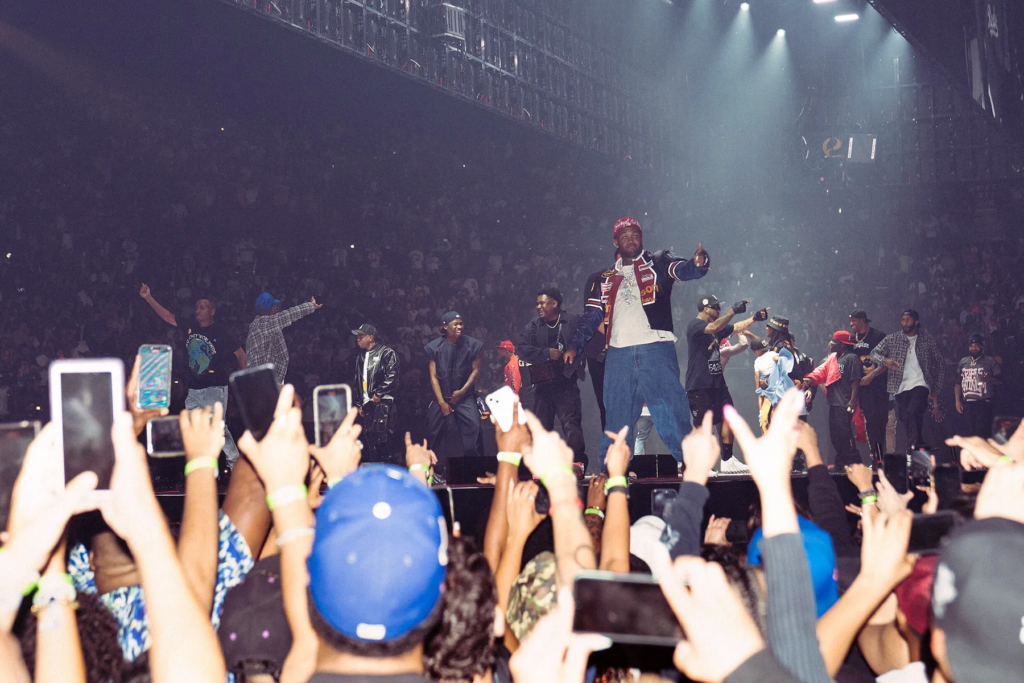
Live shows still produce some of the cleanest money for many artists, especially when you combine a performance fee with merch sales. Gigs usually pay through a guarantee, a door split, ticket sales, or a combination. Your leverage comes from your draw, your professionalism, and your ability to make the event feel like a win for the venue.
Live income also has built-in upsells. A small VIP add-on, a paid meet-and-greet, or a post-show merch push can take a decent night and turn it into a great one, without needing a bigger room.
5. Ticketed livestream shows
Ticketed livestreams are still relevant in 2026 because they remove geography. If you have listeners spread across cities or countries, a paid online show can monetize that reach without travel costs.
The format matters. A “concert stream” is fine, but themed events often convert better, like a songwriting breakdown night, an album playthrough with stories, or a request-based set. You can also sell replays as a timed product, which adds a second wave of income after the live date.
6. Fan memberships
Memberships turn casual supporters into recurring income. The core idea is simple: fans pay monthly for access, closeness, and consistent perks. That could mean early demos, private live sessions, stems, or behind-the-scenes content that makes them feel like insiders.
Memberships also help you plan. If you know you have a baseline of recurring revenue, you can book better studio time, invest in visuals, or take fewer low-paying gigs.
A solid overview of how independent artists structure memberships and owned storefronts is in Fourthwall’s independent artist guide, which maps the model across physical and digital products.
7. Sync licensing
Sync licensing pays when your music is placed in TV, film, ads, games, or online content. Deals can include an upfront sync fee, plus backend royalties depending on where and how the content airs.
Sync is easier when you prepare your catalog for licensing. That usually means clean mixes, instrumental versions, alternate cuts (30 seconds, 60 seconds), and clear metadata. If you collaborate, your splits must be agreed and documented, because music supervisors avoid songs that can trigger rights disputes.
8. Publishing income
Publishing income is how songwriters get paid over time. If you write or co-write, your catalog can generate performance and mechanical royalties long after a release cycle ends. This is one of the most durable ways to make money as a music artist, but it requires clean registrations and accurate credits.
Publishing grows when you write more, collaborate strategically, and pitch songs beyond your own artist project. Even if you stay independent, a consistent writing pipeline can create assets that keep earning while you work on new music.
9. YouTube monetization
YouTube can pay through ads, channel memberships, and fan funding features. It also supports long-tail discovery. A good video can keep bringing in views for years, which makes it different from short-lived social posts.
YouTube monetization works best when you publish more than official music videos. Lyric videos, live sessions, tutorials, and behind-the-scenes content can widen your audience and keep your upload schedule realistic. Over time, you build a library of searchable content that keeps sending new listeners to your music.
10. Short-form that sells
Short-form platforms are less about “going viral” and more about repetition and clarity. You’re building recognition in small doses, then routing attention to something that pays, like a direct-to-fan offer, a show ticket, or a membership tier.
The strongest short-form content usually falls into a few buckets: performance clips with a clear hook, songwriting moments, relatable artist-life stories, and simple behind-the-scenes production shots. When your caption and pinned comments point to one next step, short-form becomes a sales channel, not just exposure.
11. Brand deals and sponsors

Brands pay for access to your audience and your credibility. That can look like sponsored posts, gear endorsements, affiliate deals, or event partnerships. The size of your following matters, but brands also care about engagement and fit.
A brand deal becomes “real money” when you treat it like a business agreement. Clear deliverables, usage rights for your content, payment terms, and disclosure requirements protect you and keep the relationship clean.
12. Session work and features
Session work pays because it solves a problem for someone else’s project. You can earn as a vocalist, guitarist, drummer, producer, engineer, arranger, or songwriter. Remote sessions are common now, and clients often want fast turnaround, clean stems, and professional communication.
Paid features are a related lane. If your voice or writing style is in demand, you can charge for guest verses, hooks, or co-production. This path rewards consistency and reputation, because repeat clients are where the stable income comes from.
13. Songwriting for others
Writing for other artists can create income even when you aren’t the face of the release. You can earn upfront fees, writer splits, and publishing royalties if the song performs. It’s also a way to build relationships with producers, labels, and other teams that can open more paid work.
This route depends on clear agreements. You need split sheets, correct registrations, and a shared understanding of who controls decisions like licensing and pitch usage.
14. Teaching and coaching
Teaching turns your skill into dependable income. One-on-one lessons, group classes, and workshops can all work, depending on your strengths. You can teach instruments, vocal technique, production, songwriting, music theory, or even performance prep.
Coaching can also include artist development support like stage presence, recording preparation, or release planning. The key is that teaching pays for your time, not for your popularity, so it can support you early while your catalog grows.
15. Beat leasing and music libraries
Beat leasing works when you package your production in a way that makes buying easy. Leases typically come with terms about usage, track limits, and whether the buyer can monetize. Exclusive licenses cost more because you’re giving up the ability to sell that beat to multiple artists.
Music libraries are a different angle: you upload tracks designed for licensing, then earn when they’re used. This can include corporate video, creators, podcasts, and other commercial uses. Libraries reward consistency and organization, because the artists who keep delivering usable, well-tagged tracks tend to get more placements over time.
Marketing That Turns Plays Into Pay
Pre-save and release week plan
Release plans matter because attention is short. A simple timeline can keep you focused: announce early, collect pre-saves and emails, share previews, then concentrate activity in release week with clips, live sessions, and direct-to-fan offers tied to the drop.
Streaming support is helpful here, but the income conversion often happens off-platform. Your goal is to move listeners into owned channels (email, membership, storefront) where you can present offers without algorithm limits.
Content cadence that sells
A content routine works best when each post has a job. Some posts drive discovery, others build trust, and some push a clear offer. When you rotate those intentionally, you avoid the trap of posting a lot while earning nothing.
Short clips can point to tickets and merch, longer videos can build YouTube income, and behind-the-scenes updates can reduce churn in memberships. The cadence doesn’t need to be intense, but it needs to be consistent enough that fans remember you exist.
Community and superfans
Superfans are the difference between “people who listen” and “people who buy.” You build them through repeated contact, honest communication, and access that feels personal without becoming exhausting.
Community can live in email, a membership feed, or a chat server, but the function is the same: you create a place where supporters feel seen. When that happens, your drops convert faster, your shows sell better, and your income gets more predictable.
Pricing and Deals
Merch pricing and margins
Merch pricing is math first, emotion second. You need to account for production, shipping, platform fees, failed deliveries, and replacements. If you price too low, you sell more units but keep little profit, and you run out of cash to restock.
Bundles let you protect margin without overpricing a single item. You can also use limited runs to control risk, since you’re producing what you can reasonably sell.
Gig fees and negotiation
Gig pay is rarely just “what you’re worth.” It’s what the venue expects to earn and what you can prove you’ll bring. Clear terms help, including set length, load-in time, backline, payment timing, and whether you get a guarantee or a split.
Deposits and written confirmations protect you from last-minute cancellations and confusion. If you treat the deal like a simple contract, you reduce the chances of doing the work and chasing the money later.
Licensing rates and terms
Licensing deals can look great on paper and still be bad if the terms are wrong. Usage rights, term length, territory, exclusivity, and whether the license includes the master and publishing all change the value.
If a deal is exclusive or long-term, it usually needs to pay more because you’re giving up future options. Clear documentation keeps you from losing control of your catalog in exchange for a one-time check.
Avoid Scams and Bad Contracts
Fake playlist and promo scams
Playlist scams often promise streams for a fee, then deliver bots or low-quality traffic that doesn’t convert into fans. Even worse, fake streams can cause takedowns or distribution issues, which puts your catalog and payouts at risk.
Real promotion has friction. It requires targeting, content, outreach, and patience. If someone guarantees a number overnight, it’s usually not real demand.
Rights grabs and shady splits
Bad contracts often hide the real cost in ownership. If someone asks for your masters, publishing, or perpetual rights without paying real value, you’re trading long-term income for short-term help.
Shady splits also show up in collaborations where nothing is written down. When the song starts earning, memory gets selective. Split sheets and clear metadata prevent that problem.
Payment and chargeback safety
Late payment is common when terms are loose. You reduce risk by using invoices, clear due dates, deposits for large jobs, and payment methods that fit the job type.
Chargebacks can hit digital products, features, and remote work. A written agreement, proof of delivery, and clear refund terms make disputes easier to resolve.
30-Day Plan
Week 1: rights and profiles
You start by setting up the basics that unlock payments. That means confirming your rights, organizing splits, preparing accurate credits, and making sure your distributor and creator profiles are complete and consistent.
You also choose your first two money paths based on speed. One service path (lessons, sessions) plus one audience path (direct sale, ticketed stream) gives you a realistic mix.
Week 2: release + direct sales
You release one track or one small product, then attach an offer that pays. That can be a pay-what-you-want download, a limited digital bundle, or an early-access version for supporters.
The point is to build the habit of pairing attention with a checkout. Streams and views are helpful, but dollars come from a clear ask and a simple purchase flow.
Week 3: pitch gigs and licenses
You do outreach that targets paid opportunities, not vague exposure. That can include local venues, event organizers, content creators who license music, and artists who need a feature or a session musician.
This week is also when you tighten your materials. A clean one-sheet, a short set list, and a folder of ready-to-license tracks makes it easier for people to say yes.
Week 4: optimize and repeat
You review what produced income and what produced noise. If lessons sold but merch didn’t, you adjust. If your direct sale converted from email but not from social, you lean into email.
You end the month with a repeatable routine. A system you can run again is worth more than a one-time win.
FAQ: 15 Real Ways to Make Money as a Music Artist (2026)
What actually pays the most for most artists in 2026, streaming or live shows?
For most artists, live shows and merch bring in more cash than streaming. Streaming pays tiny per-play rates (often fractions of a cent), so you need huge volume.
How do you make streaming income matter if payouts are so small?
Treat streaming as a fan funnel, not your main paycheck. Use a distributor (DistroKid, TuneCore, RouteNote), then push listeners to merch, tickets, and memberships.
What is sync licensing, and how do you get paid from it?
Sync is when you license music for TV, films, ads, games, podcasts, or online video. You can earn an upfront fee and collect royalties after release.
Are memberships and fan funding really reliable income?
They can be, because you get direct monthly support through platforms like Patreon and Bandcamp memberships. It works best when you offer consistent extras, not random drops.
Do NFTs still work for musicians in 2026?
NFT hype is lower, but they can still sell if there’s clear fan value, like VIP access or collectibles. Avoid speculation, focus on utility and trust.
Conclusion
To make money as a music artist in 2026, you win by stacking real income streams: platform royalties for scale, direct sales for margin, live and ticketed events for cash flow, and services for stability. When your rights are clean and your platforms are set up to capture fans, each release becomes more than art, it becomes a repeatable revenue cycle.
The strongest setup is the one you can maintain. Consistency across a few proven lanes beats chasing every new trend, and it turns your catalog into an asset that keeps paying as you grow.